About
About the project
A four-year research programme led from Montréal with collaborators around the world.
Background and Aim
Orphans and children without parental care represent one of the most significant blind spots in global child health research. Millions of children in low- and middle-income countries grow up without a parent to care for them due to poverty, conflict, displacement, or bereavement — yet the evidence base to guide policy and action remains fragmented and incomplete.
This project generates the first comprehensive, cross-national evidence on orphans and children lacking parental care across 75+ LMICs, covering ages 0 to 17 across health, development, education, and well-being outcomes.
We take a deliberately expansive approach — expanding the concept and recognised scale of child vulnerability to include all children who lack parental care, not only orphans, and integrating multiple disciplines (epidemiology, sociology, psychology, education, law, and ethics) within a coherent rights-based framework. By combining large-scale quantitative analysis with qualitative and normative research and in-country perspectives, we produce evidence that is conceptually rigorous, methodologically innovative, and directly actionable.
Our aim is to equip researchers, policymakers, and practitioners with the scientific foundation needed to design, advocate for, and implement policies and services that reach the world's most overlooked children.
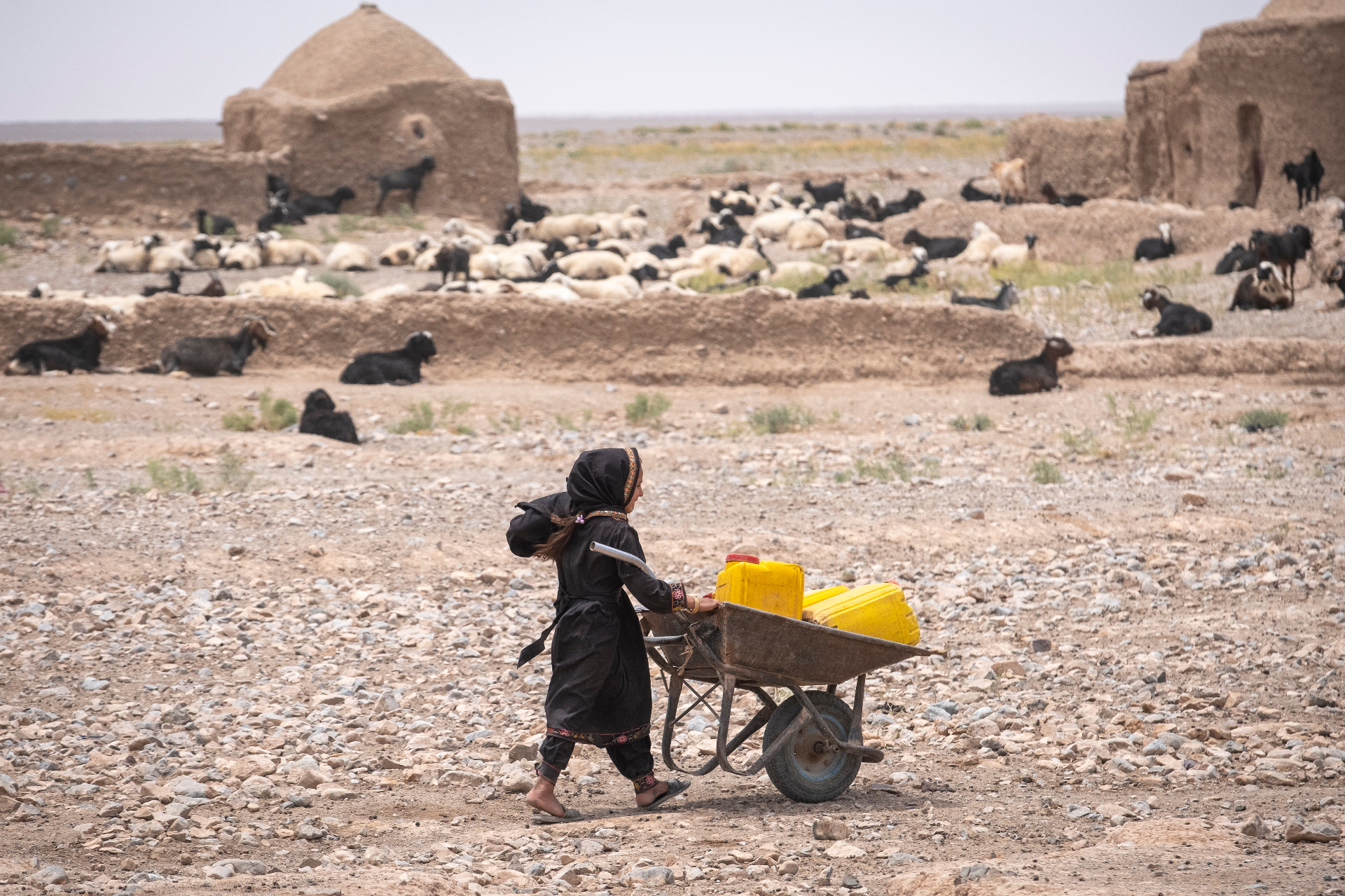
On 26 May 2023 in Ganak village, in Western Afghanistan, a girl pushes a wheelbarrow carrying plastic containers of drinking water from a well. For the past three years this area was severely affected by a drought and most of the wells went dry.
© UNICEF/UNI423586/Sokhin
At a glance
- Timeline
- April 1, 2026 to March 31, 2030
- Status
- Active
- Scope
- 75+ low and middle income countries
- Focus
- Children aged 0 to 17
- Work packages
- 4 (WP1 to WP4)
- Funder
- Canadian Institutes of Health Research (CIHR)
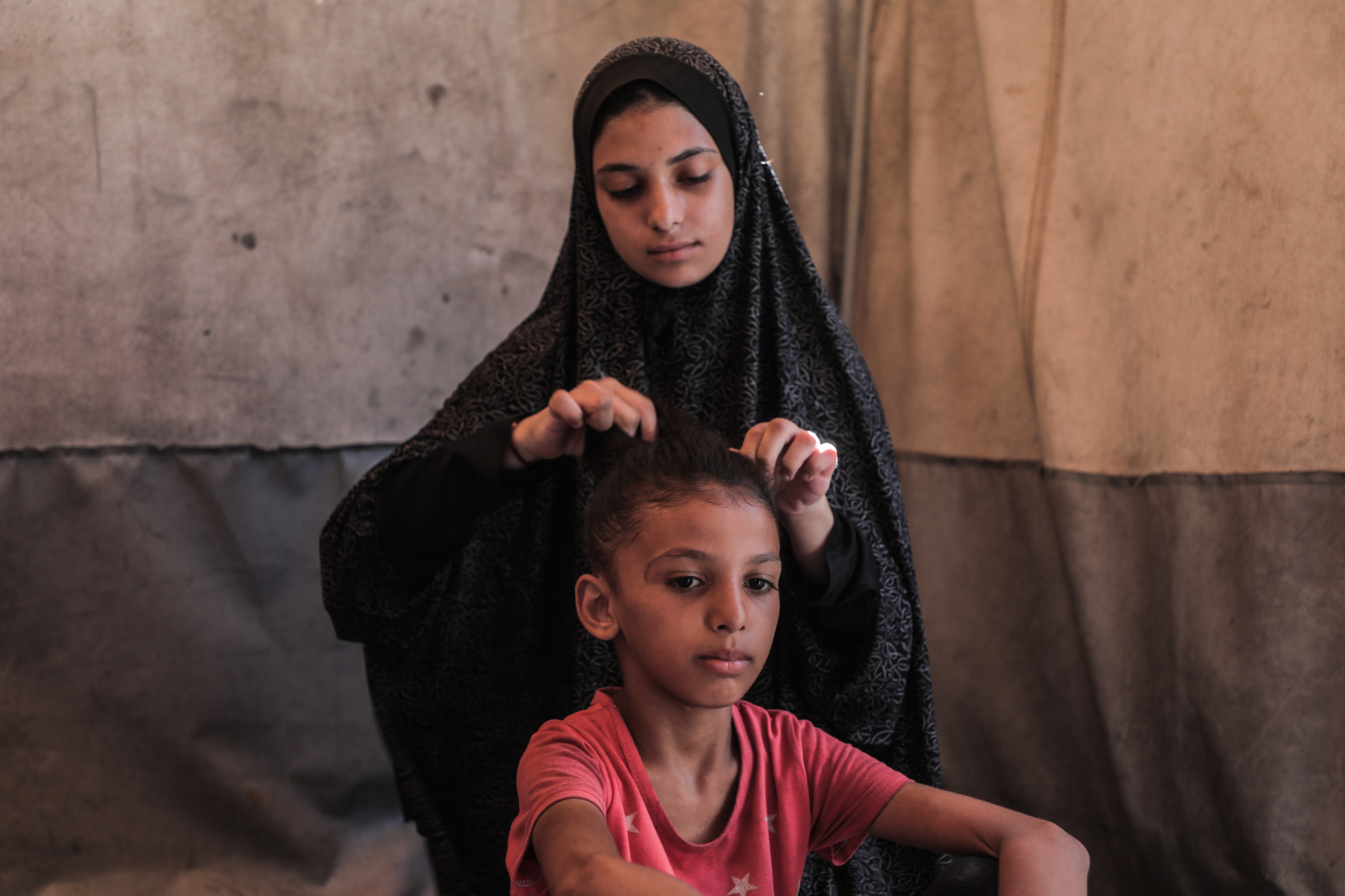
Seventeen-year-old Samar has become the primary caregiver for her five younger siblings after an airstrike in December 2023 left their mother missing and their father had already passed away before the war. Injured themselves and left without parental care, the children have since moved between shelters while struggling to survive in Gaza.
© UNICEF/UNI870012/Nateel
Why this matters
Policies cannot protect children they cannot see. Millions of children grow up without the care of a parent, but until recently there was no way to study their circumstances systematically across countries. As a result, these children have remained largely absent from global evidence and policy discussions. UNICEF has now created the first globally comparable data infrastructure on children lacking parental care. This project is the first to use these data systematically and at scale, generating evidence to understand who these children are, the challenges they face, and how policies can better support them.
Every child deserves to be counted, and to be protected by policies built on evidence.